Most first-time safari travelers pack like they are flying a normal airline route. Then they find out at Wilson Airport that a 15kg limit applies to the whole bag, not just the checked half. Bush flights fly light aircraft with strict weight and balance math, and that math leaves very little room for a second suitcase. Touring Insights breaks down what Kenya’s scheduled bush flight operators actually allow, what counts toward your limit, and how to pack a multi-camp trip without getting bumped.
Why Bush Flights Cap Your Luggage So Strictly
A Cessna Grand Caravan, the workhorse of Kenya’s safari air network, seats up to 13 passengers and carries a fixed maximum payload split between people, fuel, and cargo. Add more weight in bags and the pilot has to remove fuel or leave a passenger seat empty. This is not an airline upsell tactic. It is aircraft physics on a plane far smaller than anything you have flown internationally.
Unlike a jet, a light aircraft cannot simply load extra cargo into a separate hold with spare capacity. The hold is small, often a narrow pod behind or under the cabin, and every kilogram is weighed against the day’s fuel load and passenger count before departure. That is why the rule gets enforced at check-in, not politely waived for a few extra kilos like it sometimes is on a long-haul flight.
The Standard Bush Flight Baggage Allowance
Three carriers run almost all scheduled safari air routes out of Nairobi: Safarilink, AirKenya Express, and Governors’ Aviation. All three fly out of Wilson Airport, Nairobi’s domestic aviation hub about 7km south of the city center, rather than Jomo Kenyatta International. Their published limits sit close together, but the details differ enough to matter when you are packing.
| Operator | Weight Limit | Bag Type Required | Approx. Max Dimensions | Notes |
|---|---|---|---|---|
| Safarilink | 15kg total per passenger | Soft-sided duffel only | 30cm x 30cm x 60cm | Checked and hand luggage combined into one 15kg total |
| AirKenya Express | 15kg total per passenger | Soft-sided duffel only | 30cm x 30cm x 60cm | Camera bags and daypacks count toward the total |
| Governors’ Aviation | 15kg total per passenger | Soft-sided duffel only | 30cm x 30cm x 60cm | Enforced at Wilson Airport check-in with a scale |
| Private charter (Cessna 206/208) | 15-20kg per passenger, aircraft-dependent | Soft-sided duffel preferred | Varies by aircraft | Confirm limit with the charter company when booking, since it shifts with passenger count and fuel needs |
Limits are current published operator policy as of 2026 but change without notice. Confirm the exact figure with your booking agent or airline before you fly.
Soft Bags Only: Why Hard-Shell Suitcases Get Rejected
The 15kg figure only tells half the story. Every scheduled operator also requires a soft-sided duffel bag, not a rigid rolling suitcase. The cargo pods on a Cessna Caravan or Cessna 206 are curved and narrow, built to fit bags that flex around the airframe. A hard-shell case with a fixed rectangular frame simply will not fit, no matter how light it is.
Ground staff at Wilson Airport check bag shape as closely as they check the scale. Travelers who show up with a rigid suitcase are sometimes asked to repack into a rental duffel on the spot. Otherwise the bag gets left behind for the flight and forwarded separately. Buy or borrow a proper duffel before you leave home. It saves a stressful moment at check-in on day one of your trip.
What Counts Toward Your 15kg
This is the detail that catches people off guard. The 15kg allowance on Safarilink and AirKenya Express covers your checked duffel and your hand luggage together, not 15kg checked plus a free carry-on. A daypack with a camera body, two lenses, a laptop, and a water bottle can easily hit 4 to 6kg on its own. That leaves less than 10kg for clothing, shoes, and toiletries in the main bag.
Camera gear is the biggest wildcard. A serious photography kit, body plus a 100-400mm zoom plus a wide lens, can weigh 4kg or more by itself. Photographers on a fly-in circuit often ship non-essential gear ahead by road with their tour operator. Others leave a second lens locked in Nairobi storage instead of carrying it on every leg.
Excess Baggage: What Happens and What It Costs
Going over the limit does not usually mean you get bumped from the flight. It means your bag might. Overweight or oversized luggage is commonly held back at Wilson Airport and sent on a later flight or by road. It can arrive at your camp hours, or even a day, after you do. On a tight multi-camp itinerary, that gap can mean a night without your main bag.
Some operators will accept excess weight for a per-kilogram fee, generally in the indicative range of USD 2 to 5 per kilo. This varies by carrier and route, and is not guaranteed on a full flight. The safer plan is to weigh your packed duffel and daypack together at home. Aim to land under 13 to 14kg for a buffer, and treat the 15kg figure as a hard ceiling, not a target.
Where to Store the Rest of Your Luggage in Nairobi
Almost every traveler arrives in Kenya with more luggage than a bush flight allows, especially those combining a safari with a coastal extension or business stop in Nairobi. The standard fix is left-luggage storage. Most Nairobi hotels used as pre- or post-safari bases offer this, and so do the ground handling desks for Safarilink, AirKenya Express, and Governors’ Aviation at Wilson Airport. Either option keeps the bag or case you are not taking into the bush safe until you return.
Pack a small crossover kit for this handoff. Keep anything you need on safari in the duffel, and leave city clothes, a second pair of shoes, and any hard-shell case in storage. Confirm storage arrangements with your tour operator or hotel concierge in advance, since space and fees vary by property.
Packing Strategy: Fitting a Multi-Camp Safari Into 15kg
A few practical moves make 15kg workable for a week-long fly-in circuit:
- Pack four to five days of clothing on repeat, not a fresh outfit for every day. Most camps offer laundry service, often same-day or overnight.
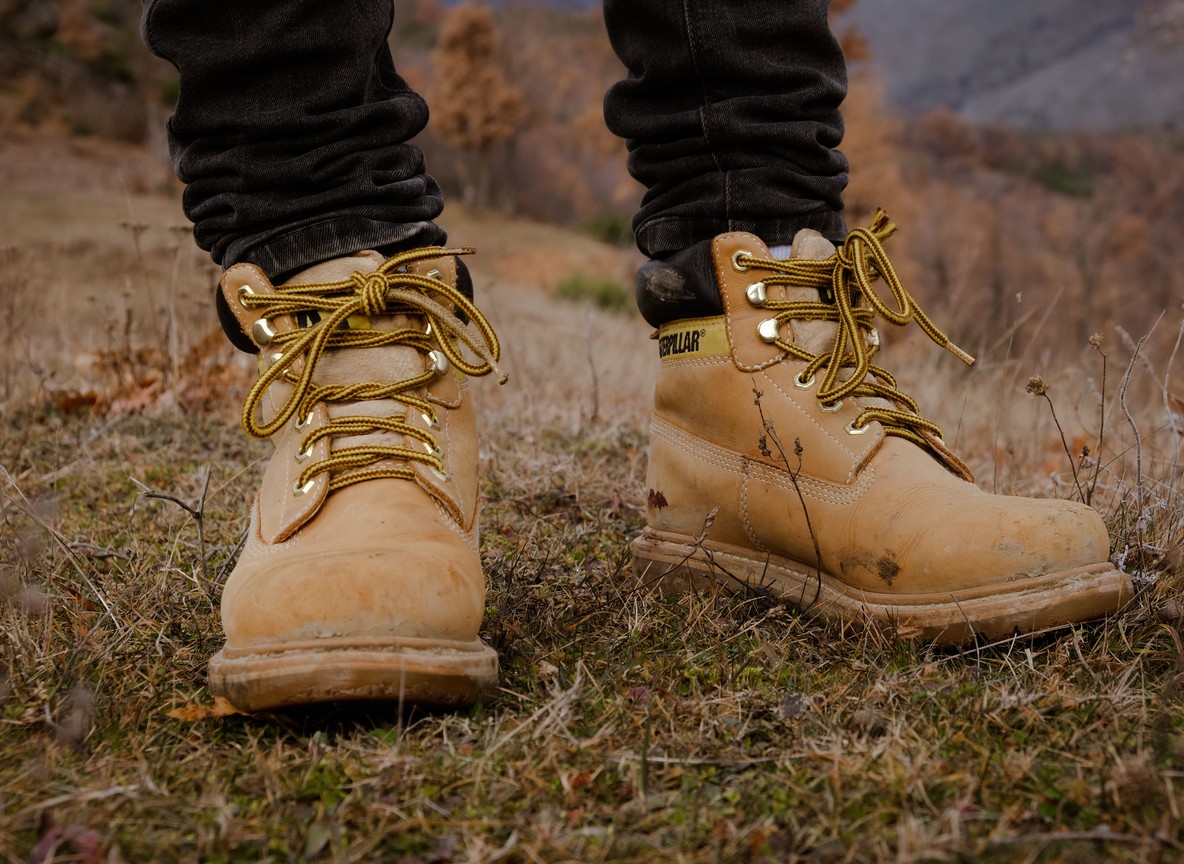
- Wear your bulkiest items, like hiking boots and a fleece, on the flight instead of packing them.
- Choose quick-dry synthetic or merino fabrics over cotton, since they weigh less and pack smaller.
- Skip a second pair of full shoes. One sturdy pair plus sandals covers camp and game drives.
- Weigh your duffel and daypack together on a home bathroom scale before you leave, not at the airport for the first time.
Explorer Notes
Rent a duffel instead of buying one if this is a one-time trip. Several Nairobi outfitters and tour operators loan soft bags free with a booking, since they deal with this exact problem daily.
Weigh your bag with everything inside, including the book and jacket you plan to carry on your lap. Wilson Airport staff weigh what you hand over at the counter, and a jacket “worn” through security sometimes still gets counted if it is bulky enough to notice.
If your itinerary mixes a scheduled flight with a private charter, ask specifically about the charter’s limit. Smaller aircraft with fewer passengers sometimes allow a slightly higher per-person allowance since the payload math works differently with four seats filled instead of thirteen.
Build one buffer day into any itinerary where a delayed bag would matter, particularly before an international departure. Bush flight schedules run milk-run routes with several stops, and a bag misrouted on day one usually catches up by day two.
Frequently Asked Questions
What is the standard luggage weight limit on Kenya bush flights? Most scheduled operators, including Safarilink, AirKenya Express, and Governors’ Aviation, cap total luggage at 15kg per passenger. That covers checked and hand luggage combined.
Can I bring a hard-shell suitcase on a safari bush flight? No. Nearly all operators require soft-sided duffel bags because the cargo holds on light aircraft like the Cessna Grand Caravan cannot fit a rigid case.
What happens if my bag is over the weight limit? Overweight bags are often held back and sent on a later flight rather than causing a passenger to be bumped. Some operators charge an excess fee, indicatively USD 2 to 5 per kilo, but this is not guaranteed on a full flight.
Does camera equipment count toward the 15kg limit? Yes. Cameras, lenses, and laptops carried in a daypack count toward your total allowance, not just what goes in the checked duffel.
Where can I store extra luggage while on safari in Kenya? Most Nairobi hotels offer secure storage, and so do the Wilson Airport desks for Safarilink, AirKenya Express, and Governors’ Aviation. Both work for bags left behind during the bush flight portion of a trip.
Packing for a fly-in circuit is easier once you know the real numbers behind the rule. Visit our Tour Packages page to compare multi-camp itineraries, or ask a partner operator to confirm the exact baggage policy for your specific flight before you buy your duffel.
What to Read Next
- Building a multi-park trip? See our Kenya fly-in safari circuit itinerary guide.
- Packing beyond the weight limit question? Check our complete Kenya safari packing list.
- Choosing your Nairobi entry point? Compare Wilson Airport vs JKIA for a Kenya safari.
Further reading
More safari planning resources
- Kenya tour packages from Valley Safaris
- Best safaris in Kenya on Touring Insights
- Compare Kenya safari packages on FindMySafari
- Camera advice for your first safari, on FindMySafari
Related guides: The Cheapest Months to Book Flights for a Kenya Safari.